
Overgrown to Outstanding: A Front Yard Retaining Wall and Plant Bed Installation
When Overgrown Landscaping Takes Over the Front of Your Home
Every front yard starts out with good intentions. Plants are chosen, beds are shaped, and for a few years everything looks great. But landscaping doesn’t stand still. Perennials spread, shrubs outgrow their space, edges blur into the lawn, and one day the front of the house looks more tangled than tended.
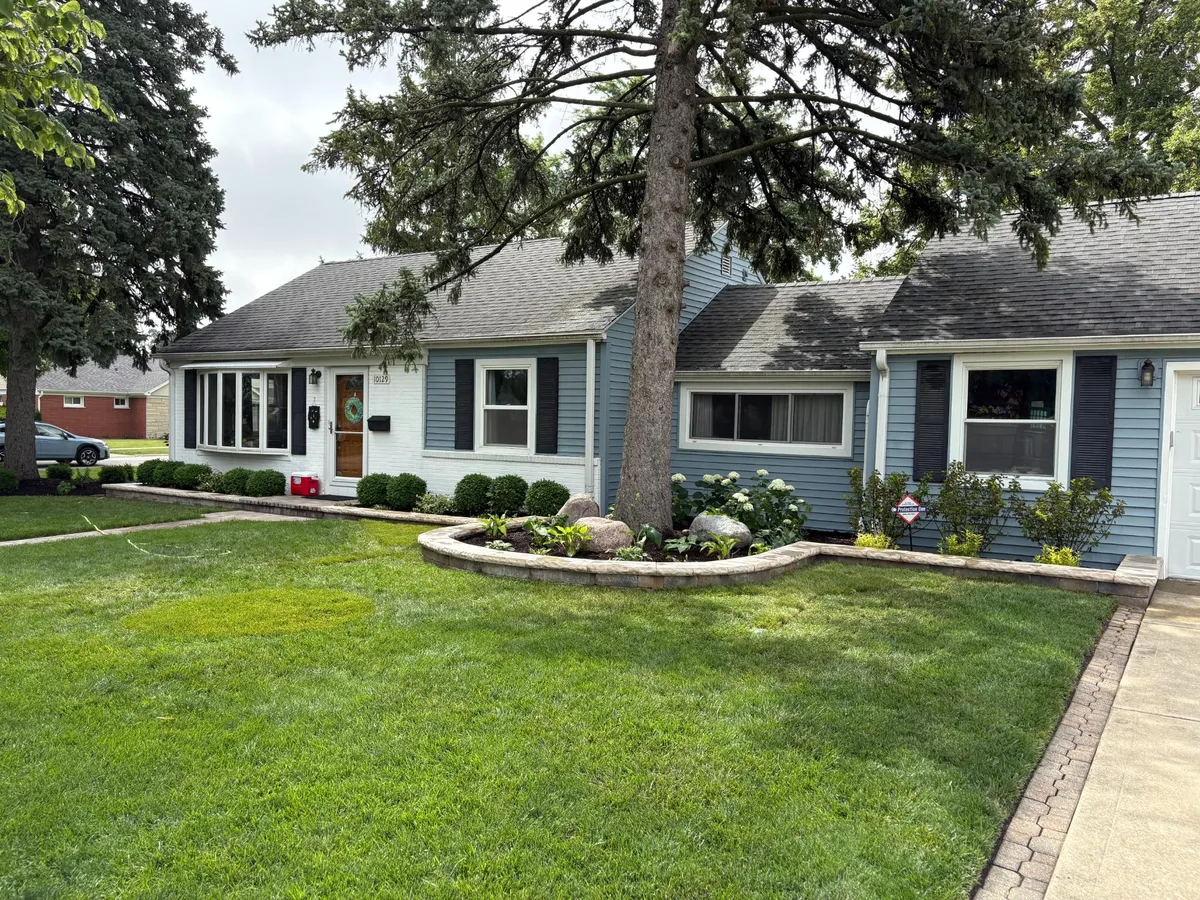
That was the situation for this homeowner. The large circular bed wrapped around a mature evergreen in the front yard had become overgrown and crowded, with plants fighting for space and no clear structure holding the design together. The beds along the front entry had lost their definition. The house itself was a charming, classic cottage, but the landscaping around it was hiding that charm instead of showing it off.
The homeowner called Ross & Jack’s Landscaping to reset the front of the property with a design that would look sharp, hold its shape, and finally give the home the curb appeal it deserved.
The Goal: Structure, Definition and a Fresh Start
The goals for this project were clear. The homeowner wanted to keep the large tree and its place in the yard, but needed the bed around it cleaned up and rebuilt. She also wanted the front entry to feel more finished and welcoming, and she wanted a landscape that would stay neat for years instead of slowly sliding back into overgrowth.
The answer was to add structure. Retaining walls and defined plant beds give a landscape bones, and they keep a design looking intentional long after the planting day.
The Design: Retaining Walls, Plant Beds and Natural Stone
A Raised Retaining Wall Bed Around the Tree
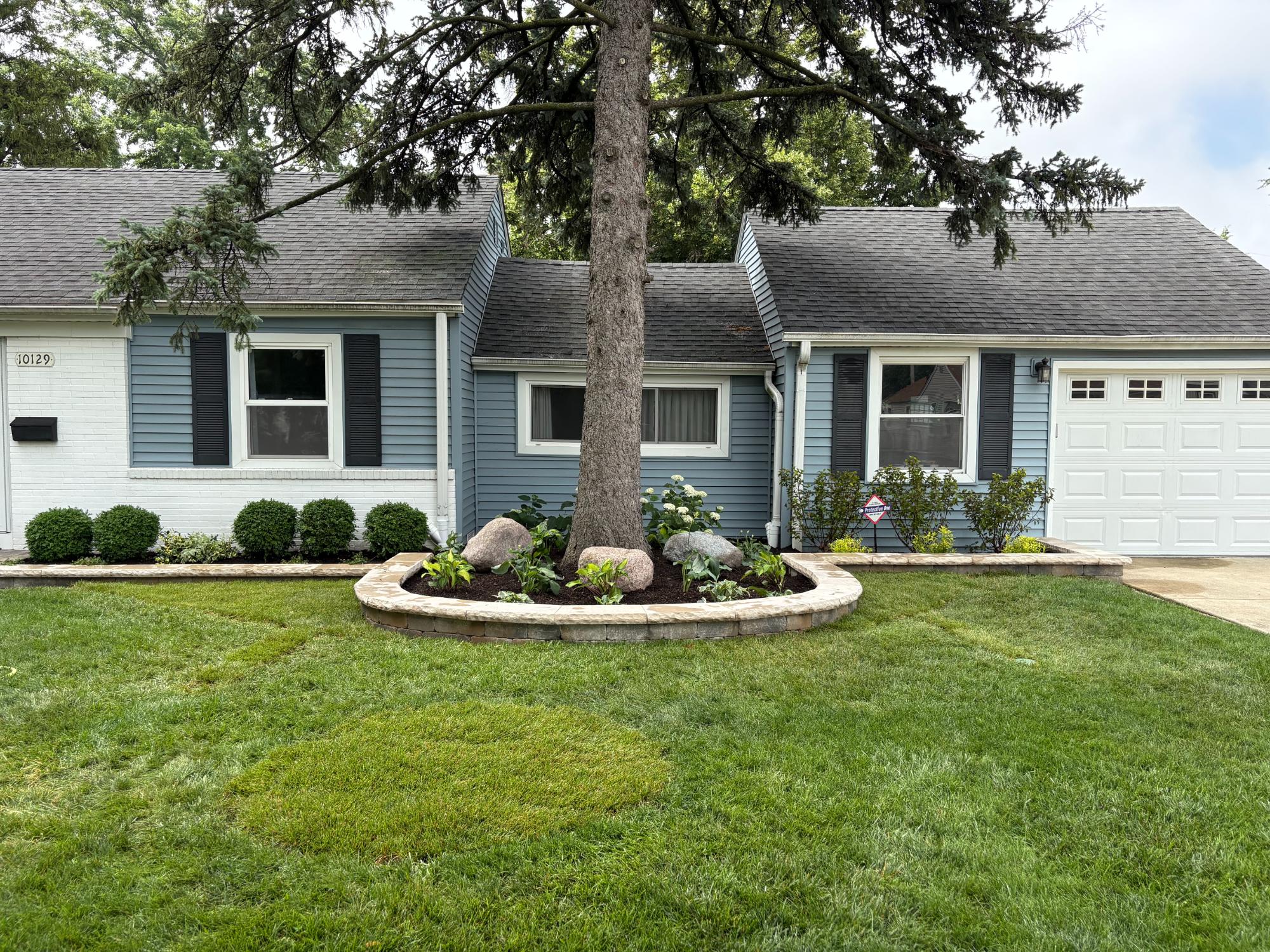
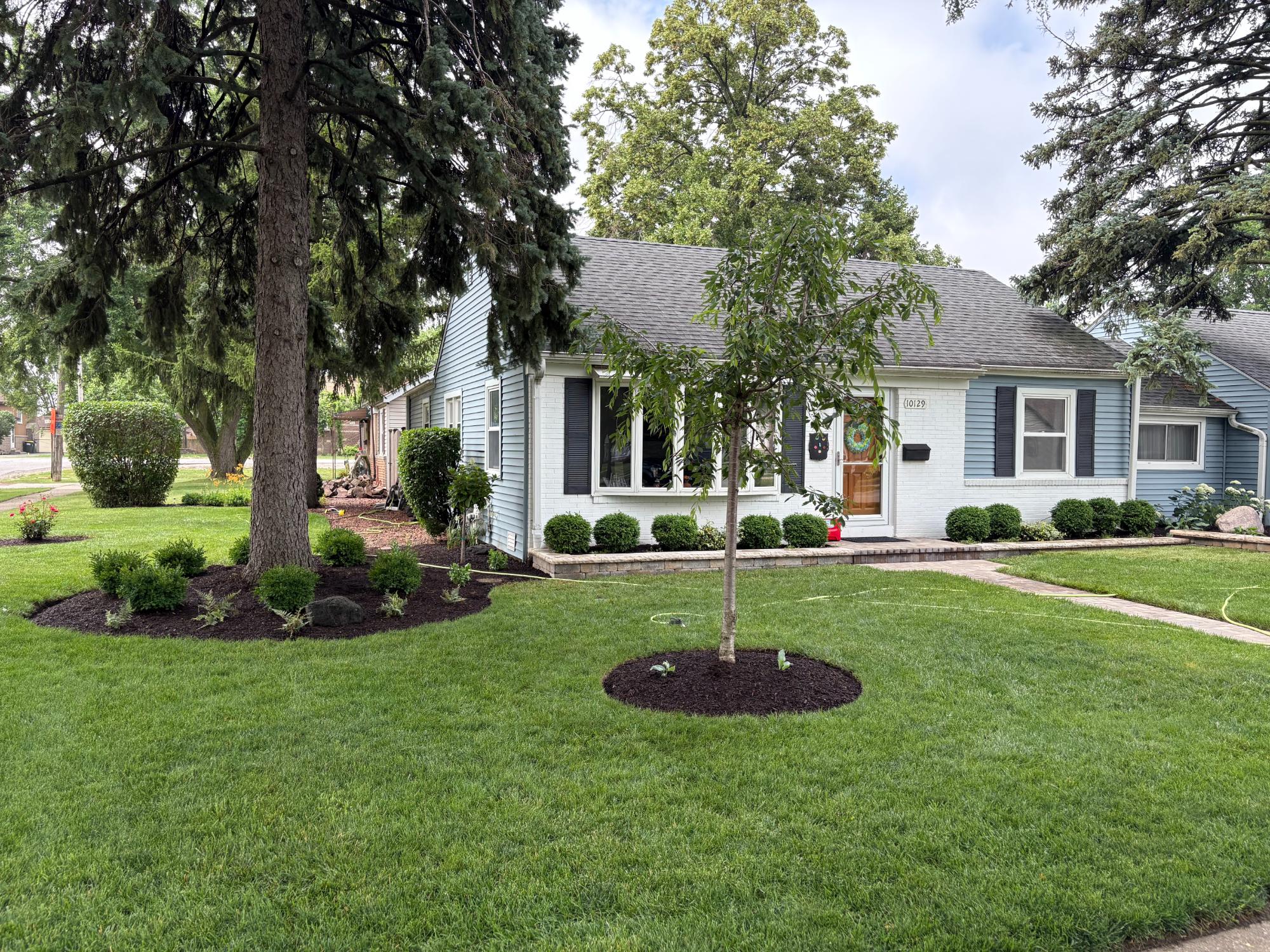
The overgrown circular bed around the mature tree was completely redone. Ross & Jack’s kept the tree intact and built a raised landscape retaining wall around it, creating a clean, defined planting area with a crisp edge between bed and lawn. Inside the new bed, fresh shrubs and flowers were planted and interspersed with natural rock, adding dimension, texture and a touch of charm. A raised bed like this also gives the plantings a more finished, deliberate presence than a flat bed can.
Retaining Walls Along the Front Entry
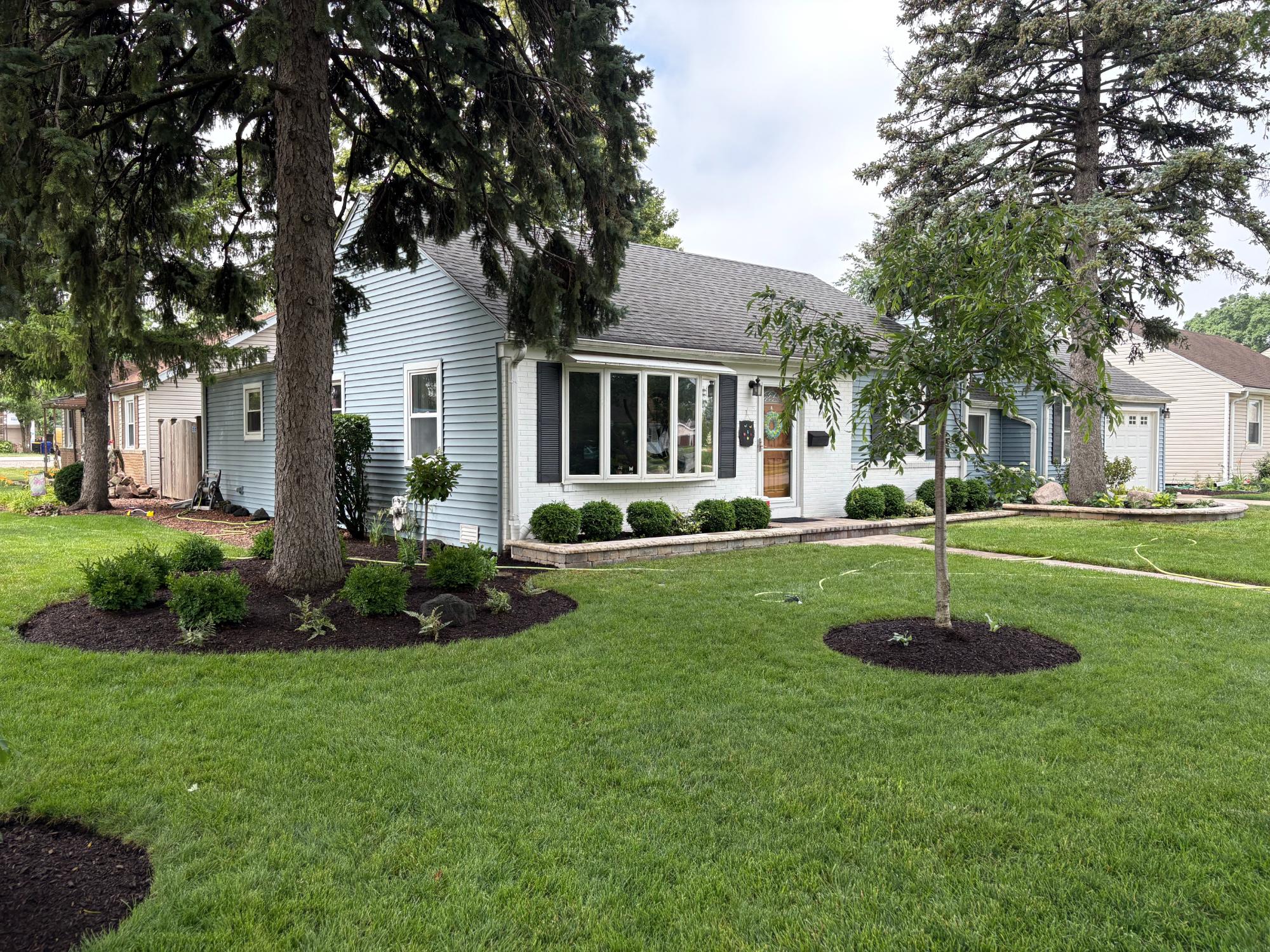
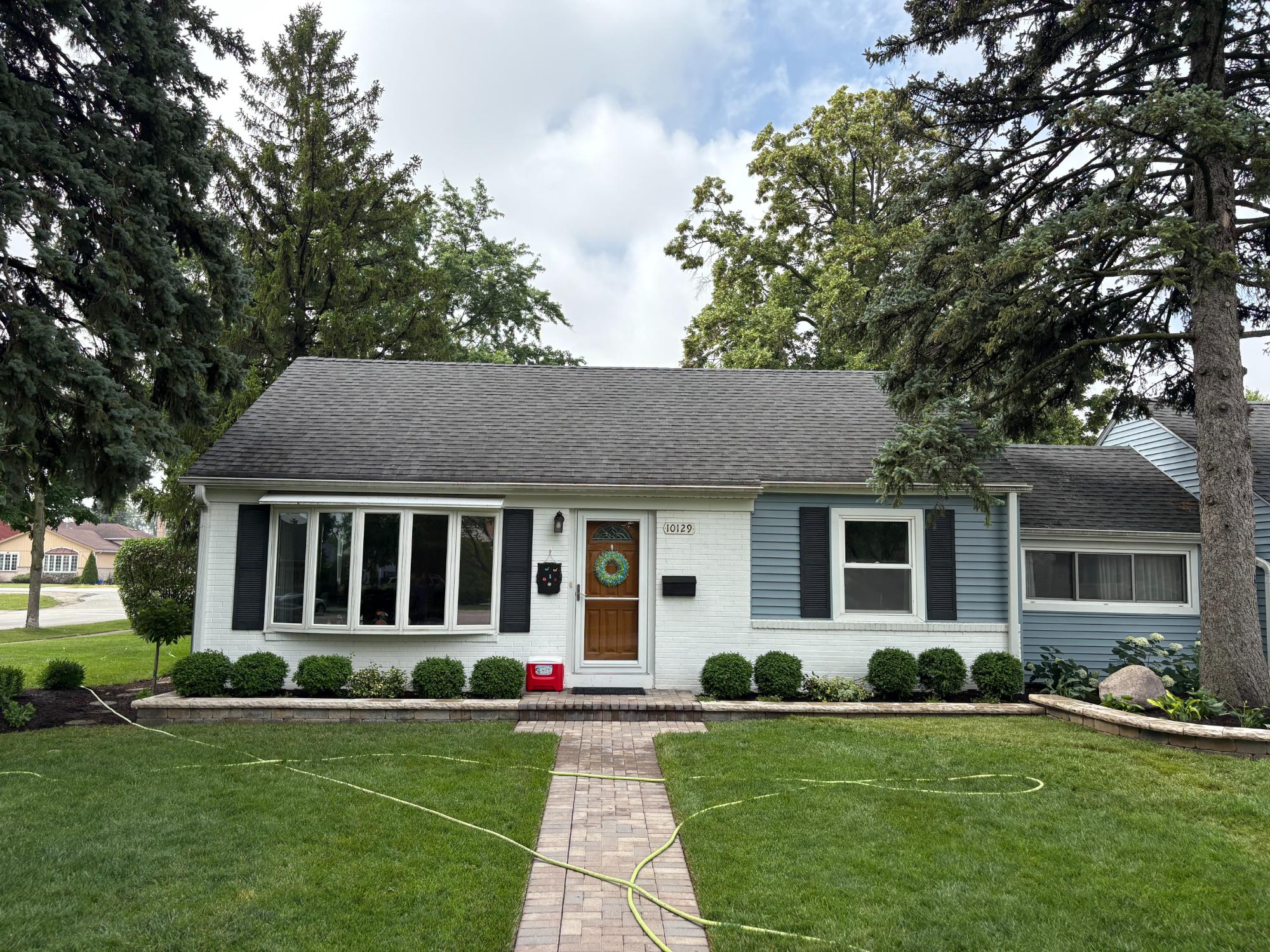
The front of the house received the same treatment. New retaining walls were installed across the front entryway, flanking the concrete steps and creating a neat raised planting bed along the foundation. Inside, a row of rounded shrubs was planted to give the front of the home a clean, symmetrical rhythm that suits the cottage-style architecture. The stone-capped walls add a polished, custom finish and a strong horizontal line that anchors the house to its landscape.
Retaining walls do more than hold soil. In a front yard they act as a design feature, framing the entry, raising plantings to a more visible height and keeping mulch and soil neatly contained. A skilled retaining wall contractor plans the walls and the planting together, so the structure and the greenery work as one design.
Fresh Mulch and Plantings Around the Front Yard Trees
The refresh didn’t stop at the main beds. Fresh mulch and new plantings were installed around the other two front yard trees, giving each one a clean, rounded bed that ties into the overall design. These small details matter. Neatly mulched tree rings protect roots, keep mowers and trimmers away from trunks, and make the whole yard look cared for.
The Finishing Touch: Rich Mulch and Layered Plantings
Dark, rich mulch ties everything together. It provides a bold backdrop that makes the greenery stand out and gives the beds a clean, uniform look. Shrubs, ferns and flowering plants were layered at different heights, so the beds look full and interesting from the street while leaving room for each plant to grow.
The Transformation
The difference is easy to see. A tangled, overgrown front yard now has clear structure and clean lines. The raised bed around the tree reads as a deliberate focal point, and the retaining walls at the entry give the home a welcoming, finished look. From the street, the property feels brighter, tidier and much more in keeping with the charm of the house.
It’s also a landscape that will hold its shape. Defined edges, structured beds and thoughtfully spaced plantings are far easier to keep looking good than a bed that has been left to grow without a plan.
Why Retaining Walls and Plant Beds Work So Well Together
A landscape made only of plants depends on constant trimming and cleanup to look its best. Adding hardscape structure changes that. Retaining walls and raised beds create permanent boundaries that keep the design crisp, and the plantings inside them can soften the stone and bring in color and texture.
For homeowners dealing with overgrown beds, a dated front yard or a plain foundation line, this combination is one of the most effective ways to refresh a property. It works especially well on older homes, where the architecture has real character and the landscape needs to show it off.
Ready to Take Your Front Yard From Overgrown to Outstanding?
If your front yard beds have gotten out of hand, or your entry could use more structure and style, Ross & Jack’s can help. As a full-service landscaping company serving Elmhurst, Villa Park and surrounding communities, we design and install retaining walls, plant beds, tree and shrub plantings and more. Reach out today to schedule a consultation and talk through your goals.
Frequently Asked Questions
How much does a front yard retaining wall and planting installation cost?
Costs depend on the length and height of the walls, the materials selected, the size of the planting beds, the number and type of plants, and site conditions. Because every property is different, the best way to get an accurate number is a consultation with a local landscaping company that can see your yard and propose a design and estimate.
Are retaining walls only for sloped yards?
No. Retaining walls are used on sloped properties to hold back soil, but they’re also popular on flat lots as a design feature. Low retaining walls create raised planting beds, define entryways, frame trees and add structure and visual interest to a front yard, as they do in this project.
What is a raised planting bed and why would I want one?
A raised planting bed is a planting area contained by a wall or border so the soil sits above the surrounding grade. Raised beds give plants a more visible, finished look, keep mulch and soil neatly contained, create a crisp edge against the lawn and can improve drainage for the plants inside. They also make a landscape easier to keep tidy over time.
Can you build a retaining wall around an existing tree?
Yes, with careful design. A landscape professional plans the wall so it protects the tree’s root system rather than harming it. Mature trees are valuable assets, and a well-designed bed or retaining wall can make an existing tree the centerpiece of the front yard, as it does here.
How do I fix overgrown landscaping without starting completely over?
Often the best approach is to reset the design rather than replace everything. A landscape professional can evaluate which plants are worth keeping, remove or relocate the ones that have outgrown their space, redefine the bed edges and add structure such as retaining walls or stone borders. The result looks like a new landscape while preserving what’s worth keeping.
What are outcropping or natural stones used for in landscape beds?
Natural stones and boulders add visual weight, texture and a natural look to planting beds. They break up large areas of mulch, create focal points and help a landscape feel like it belongs in its setting. They can also add dimension to a bed so it looks layered rather than flat.
What shrubs work well along the front of a house?
Compact, rounded shrubs such as boxwoods are a classic choice for foundation beds because they stay neat and give the front of a home a clean, structured look. Flowering shrubs like hydrangeas, along with ferns, perennials and ornamental grasses, add color, height and texture. A local landscaper familiar with Chicagoland’s climate and your yard’s sun exposure can recommend the right mix.
How do I keep my front yard beds from becoming overgrown again?
The most effective approach is good design from the start: plants spaced for their mature size, clearly defined bed edges and hardscape elements like retaining walls that hold the shape of the beds. Regular seasonal maintenance, such as trimming, mulching and cleanup, keeps everything looking its best, and a professional grounds maintenance program can handle it for you.
Does a retaining wall add curb appeal?
Yes. A well-built retaining wall adds structure, texture and a custom look to the front of a home. When paired with layered plantings and fresh mulch, it frames the entryway and gives the whole property a polished, higher-end appearance from the street.
How long does a front yard retaining wall and planting project take?
Timelines depend on the size and complexity of the project. A front yard that includes retaining wall construction, new plant beds, tree rings and fresh mulch can often be completed in several days to a couple of weeks, depending on weather and scope. Your landscaping contractor will give you a schedule when they provide the proposal.
What is the best time of year to install retaining walls and plant beds in the Chicago area?
Spring through fall is the main installation window in the Chicago area. Spring and early fall are ideal for planting because moderate temperatures help new shrubs and flowers establish. Retaining walls and hardscape can be built throughout the warmer months. A landscaper can help you plan around the best timing for your project.
How do I find a retaining wall contractor near me?
Look for a company with a strong portfolio of completed retaining wall and landscape projects, positive local reviews and a design process that starts with your goals. A contractor who handles both hardscape and planting is usually best positioned to design walls and plant beds that work together. Ross & Jack’s Landscaping provides retaining wall and landscape installation services in Elmhurst, Villa Park and surrounding communities.