
Mastering Mulching Techniques for a Healthier Landscape | Elmhurst Landscaping Tips
Mastering Mulching Techniques for a Healthier Landscape
Mulching is an essential landscaping technique that can significantly enhance the health and appearance of your outdoor spaces. Discover the various mulching techniques and their benefits in maintaining a thriving landscape with Ross & Jack's Landscaping.
Understanding Mulching and Its Importance
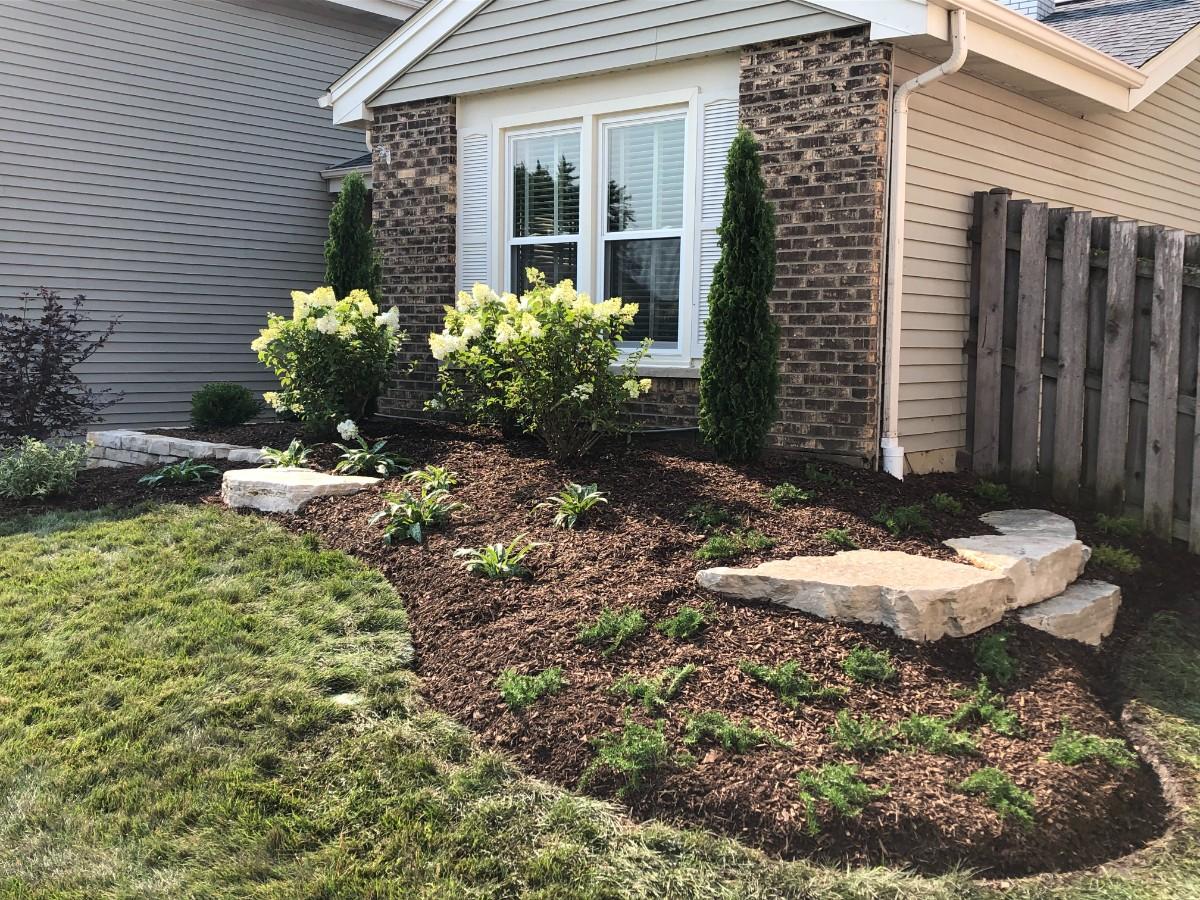
Mulching is a vital practice in landscaping that involves applying a protective layer of material to the soil's surface. It serves multiple purposes, including moisture retention, temperature regulation, and weed suppression. For many homeowners and businesses, understanding the benefits of mulching can lead to healthier, more sustainable landscapes.
At Ross & Jack's Landscaping, we offer expert mulching services as part of our comprehensive landscaping solutions. Our team is dedicated to helping clients in Elmhurst and surrounding areas achieve their landscaping goals through effective techniques and quality materials.
Retains soil moisture by reducing evaporation.
Regulates soil temperature, protecting roots from extreme weather.
Suppresses weed growth and reduces competition for nutrients.
Adds organic matter to the soil, improving fertility.
Enhances the visual appeal of your landscape.
Types of Mulching Materials
Choosing the right type of mulch is crucial for achieving the desired results. Different materials offer unique benefits, and selecting the appropriate one depends on your specific landscaping needs and aesthetic preferences.
Organic mulches, such as wood chips, bark, and straw, are popular for their ability to decompose and enrich the soil. Inorganic options, like gravel and decorative stone, are excellent for long-lasting coverage and minimal maintenance.
Organic Mulches: Wood chips, bark, straw, and compost.
Inorganic Mulches: Gravel, crushed stone, and decorative stone.
Best Practices for Effective Mulching
To maximize the benefits of mulching, it's important to follow best practices that ensure proper application and maintenance. These techniques help maintain the health of your landscape and prolong the effectiveness of the mulch.
Ross & Jack's Landscaping provides professional mulching services as part of our full service lawn care program that adhere to industry best practices, ensuring optimal results for your outdoor spaces.
Apply mulch at a depth of 2-4 inches to prevent weed growth and retain moisture.
Keep mulch away from the base of trees and shrubs to avoid rot and pest issues.
Refresh organic mulch annually to maintain its effectiveness and appearance.
Use a variety of mulch types to suit different areas of your landscape.
Transform Your Landscape with Expert Mulching Services
Ready to enhance your landscape's health and beauty? Contact Ross & Jack's Landscaping for professional mulching services that meet your unique needs. Our team is here to help you achieve your landscaping goals with quality materials and expert techniques.
Frequently Asked Questions
What is the best time for mulching?
The best time to mulch is during the spring and fall. Spring mulching helps retain moisture and suppress weeds, while fall mulching provides insulation during the winter months.
How often should mulch be replaced?
Organic mulches should be replenished annually, while inorganic mulches may last several years but should be checked for coverage and appearance regularly.
Can mulching improve soil quality?
Yes, organic mulches decompose over time, adding valuable nutrients to the soil and improving its structure and fertility.
How much does professional mulching cost in Elmhurst, IL?
Mulching costs depend on the size of the area, the type of mulch selected, and whether existing mulch needs to be removed or turned over first. A local landscaping company can assess your beds and provide an accurate estimate based on your specific property.
What is the difference between black mulch, brown mulch, and red mulch?
The color differences are primarily aesthetic — dyed mulches are treated to hold their color longer, while natural mulches fade more quickly to a gray-brown tone. Black mulch creates a high-contrast, modern look that makes plants and stone elements pop. Brown mulch offers a more natural, earthy appearance. Red mulch tends to suit warmer brick tones. The best choice depends on your home's exterior colors and the overall look you're going for.
Does mulch attract termites or pests?
Mulch itself doesn't attract termites, but keeping it piled against the foundation of your home or the base of trees can create conditions that pests find hospitable. Maintaining proper clearance — keeping mulch a few inches away from structures and tree trunks — significantly reduces any risk. A professional landscaper will apply mulch correctly to avoid these issues.
How deep should mulch be in landscape beds?
A depth of 2 to 4 inches is generally recommended. Too little mulch won't suppress weeds or retain moisture effectively, while too much can suffocate plant roots and create drainage problems. Getting the depth right is one of the reasons professional mulch installation tends to produce better long-term results than a rushed DIY application.
Is it better to remove old mulch before adding new mulch?
In most cases, if the existing layer is still in reasonable condition, it can be lightly turned and topped off rather than fully removed. However, if the old mulch has become compacted, moldy, or excessively deep, removal before reapplication is the better approach. A landscaping professional can assess the condition of your existing mulch and recommend the right course of action.
What is a mulch volcano and why should I avoid it?
A mulch volcano is when mulch is piled in a cone shape against the trunk of a tree — a very common but damaging practice. It traps moisture against the bark, promotes rot, and can invite disease and pests. Mulch should be applied in a flat, even layer and kept several inches away from tree trunks, allowing the root flare to remain exposed.
Can mulch help with drainage problems in my yard?
Mulch helps regulate how water moves through the soil — it slows surface runoff and promotes absorption. However, it's not a fix for significant drainage issues, which typically require more structural solutions like grading, French drains, or dry wells. If you're experiencing standing water or erosion, it's worth consulting a landscaping professional about drainage solutions alongside any mulching work.
How do I keep mulch from washing away?
Mulch displacement is usually caused by heavy rainfall, poor bed edging, or mulch applied on too steep a slope. Clean, defined bed edges help contain mulch, and choosing a heavier or larger-particle mulch can also reduce movement. In areas prone to runoff, a landscaper may recommend alternative groundcover or edging solutions to keep everything in place.
Does mulch need to be installed every year?
Organic mulches decompose over time, which is actually part of what makes them beneficial — they add nutrients back to the soil as they break down. However, that decomposition means the layer thins out and needs to be refreshed, typically once a year in spring or fall. Inorganic mulches like decorative stone last much longer but may need occasional topping off to maintain coverage and appearance.