What Is Hardscape Design? A Homeowner's Guide to Pavers, Walkways and More in Elmhurst, IL | Ross & Jack's Landscaping
The Word You Keep Hearing — and What It Actually Means
If you've been researching landscaping for your home, you've almost certainly come across the word "hardscape." It shows up in contractor websites, design inspiration posts, and neighborhood conversations — but it's not always clear what it actually includes or why it matters for your property.
The short answer is this: hardscape refers to the hard, non-living elements of a landscape design. Think pavers, patios, walkways, retaining walls, steps, seat walls, and edging. Everything that isn't a plant, a tree, or a lawn falls into the hardscape category. And when it's designed well, it's what gives a landscape its structure, functionality, and long-term staying power.
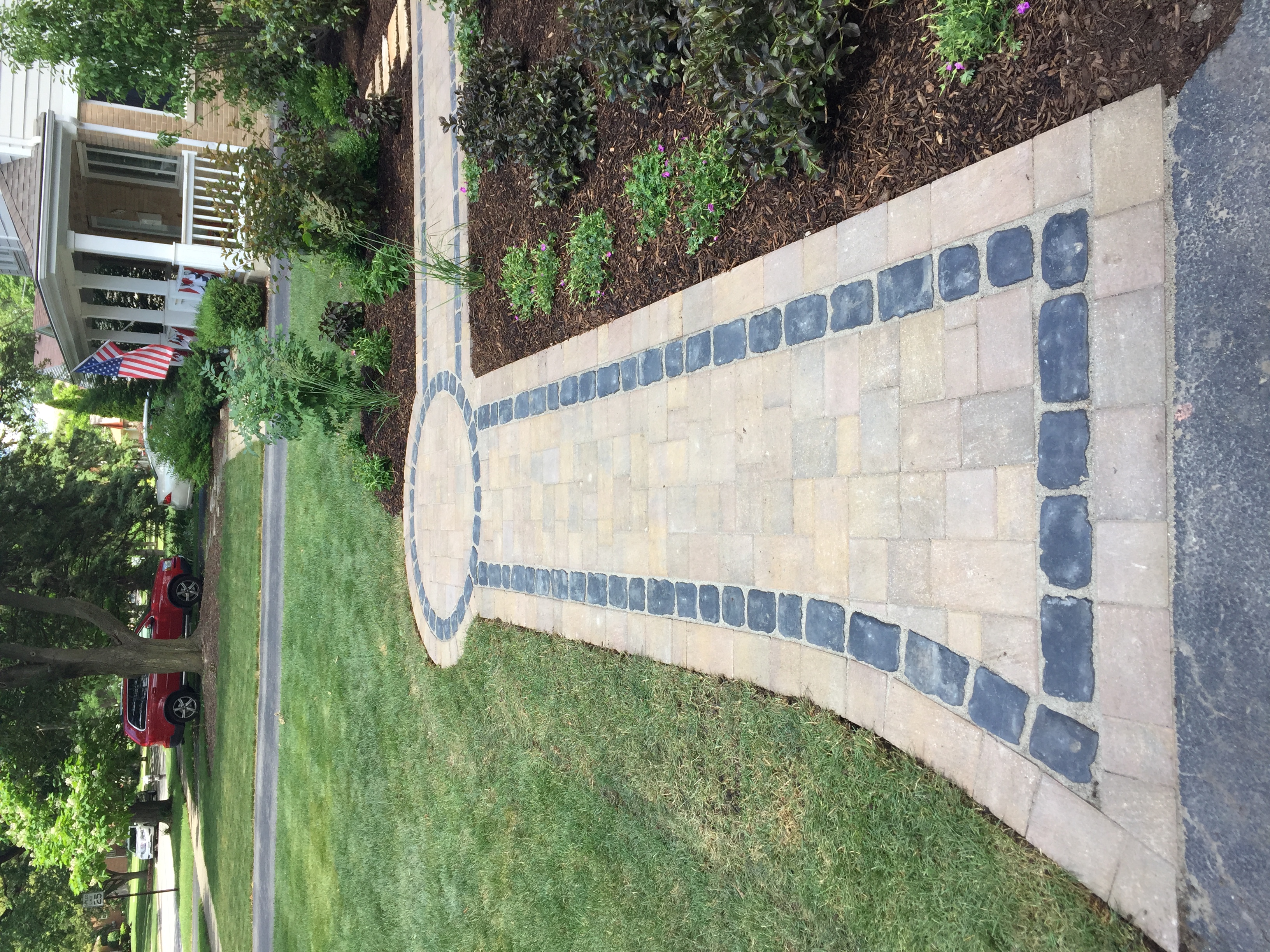
Hardscape vs. Softscape: What's the Difference?
Landscape design is generally divided into two categories — hardscape and softscape. Understanding the difference helps you have better conversations with your landscaping contractor and make smarter decisions about your outdoor space.
Softscape refers to all the living elements: grass, plants, shrubs, flowers, trees, and mulch beds. These elements bring color, texture, and seasonal interest to a property. They grow and change over time, and they require ongoing care and maintenance.
Hardscape refers to everything structural and non-living: patios, walkways, driveways, retaining walls, steps, edging, and decorative stone. These elements provide the bones of the landscape — the framework that everything else is built around. Unlike softscape, hardscape is largely permanent and requires minimal ongoing maintenance once it's properly installed.
The best landscape designs integrate both thoughtfully. Softscape brings life and warmth; hardscape brings structure and function. When the two work together — plant beds framed by clean stone edging, a flagstone patio surrounded by lush greenery, a retaining wall topped with flowering shrubs — the result is a cohesive outdoor space that looks intentional and feels like a natural extension of the home.
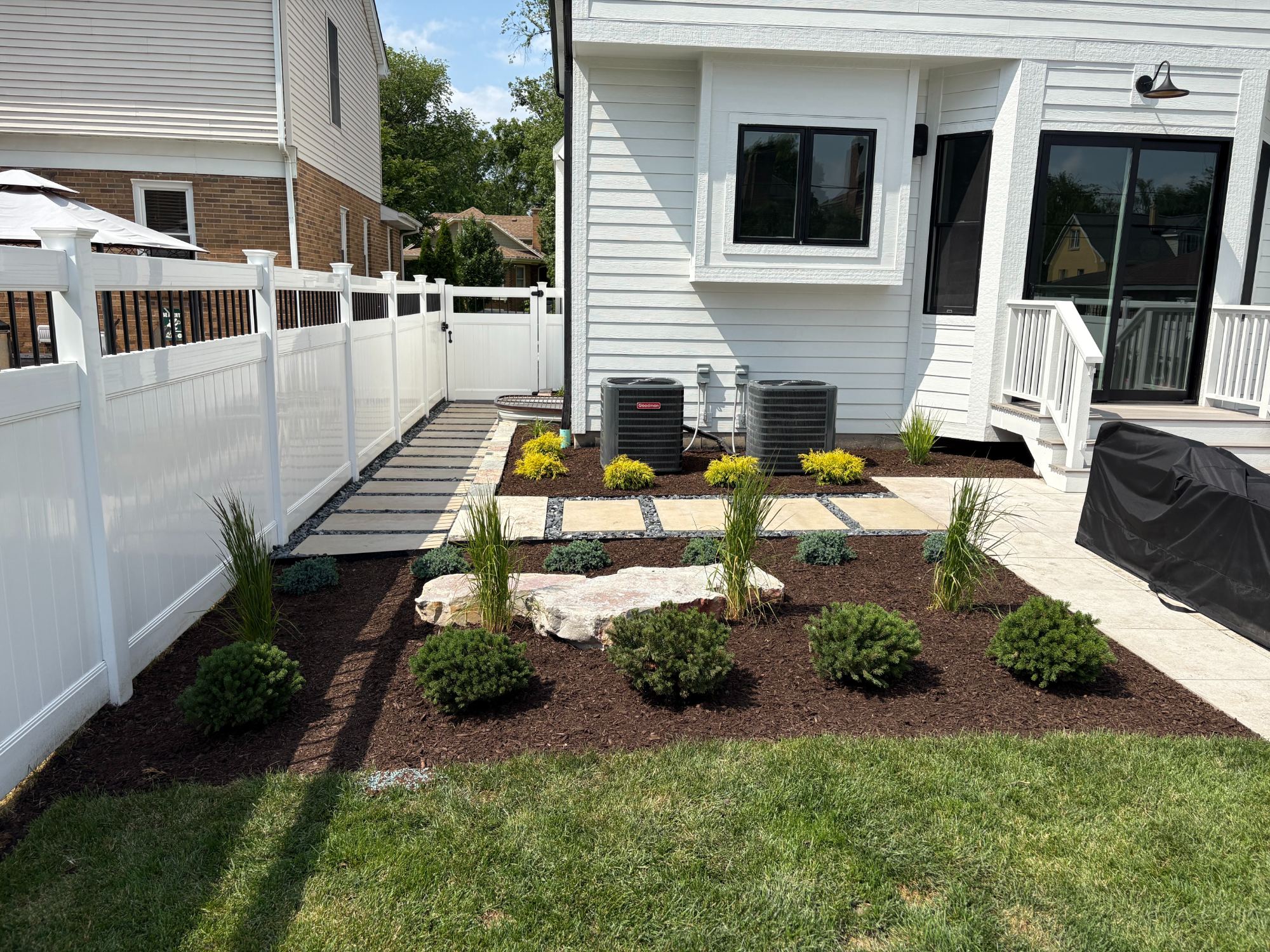
What Does Hardscape Design Include?
Hardscape design encompasses a wide range of outdoor features. Here are the most common elements homeowners in Elmhurst work with:
Paver Patios
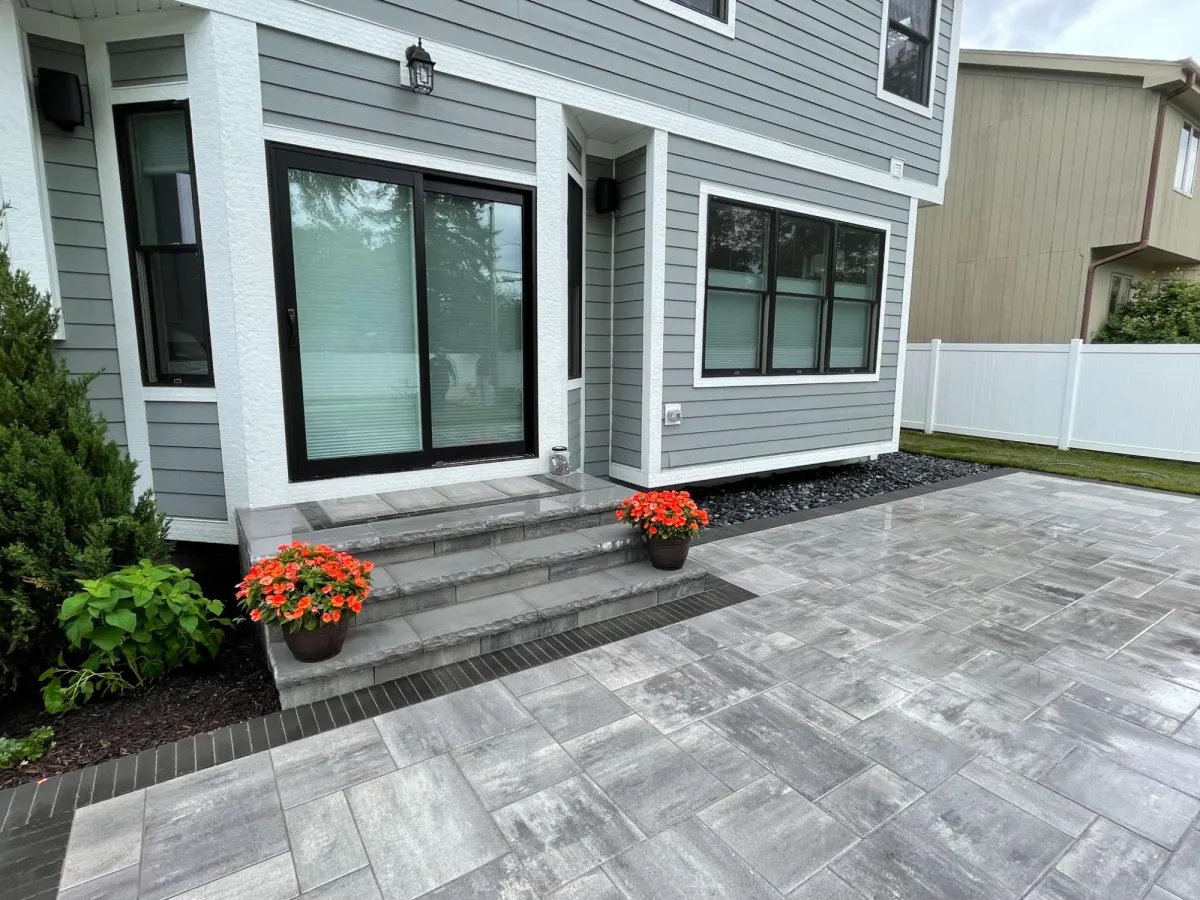
A paver patio is one of the most popular hardscape investments a homeowner can make. Pavers — which can be concrete, brick, or natural stone — are hand-laid to create a durable, attractive outdoor living surface. Unlike a poured concrete slab, pavers can be installed in a virtually unlimited range of patterns, colors, and configurations, and individual units can be replaced if damaged without disturbing the surrounding area. A well-designed paver patio extends your living space outdoors and becomes one of the most-used features on the property.
Walkways and Pathways
Walkways connect spaces — from the street to the front door, from the driveway to the backyard, from the patio to the garden. A well-designed walkway does more than provide a place to walk; it guides the eye through the landscape and creates a sense of flow and intention. Materials range from brick pavers and concrete stepping stones to flagstone and natural slate, each offering a different aesthetic suited to different home styles.
Retaining Walls
Retaining walls are used to manage elevation changes on a property, prevent erosion, and create level planting areas on sloped terrain. Beyond their structural function, retaining walls are powerful design elements — they add dimension and visual interest to a yard, and when topped with plant beds or capped with a seat wall, they become multi-functional features that make a landscape far more usable and attractive.
Seat Walls
A seat wall is a low retaining or border wall designed to double as seating around a patio or outdoor living area. Rather than relying entirely on furniture, a seat wall creates permanent, integrated seating that defines the space and adds a polished, custom feel. It's one of those design details that immediately elevates a patio from functional to finished.
Steps and Staircases
Any time there's a grade change on a property — between levels of a yard, from a patio to a lawn, from a walkway to a front entry — steps are needed. Hardscape steps can be built from a range of materials including natural stone, concrete pavers, or poured concrete, and when designed to match the surrounding hardscape, they create a seamless transition between spaces.
Edging and Borders
Hardscape edging defines the boundary between planting beds and lawn or walkway surfaces. It keeps mulch in place, prevents grass from creeping into beds, and gives the landscape a clean, maintained appearance. Even simple steel or stone edging makes a significant visual difference in how polished a landscape looks overall.
Decorative Stone and Gravel
Decorative stone — pebble, river rock, crushed granite, and similar materials — is used as ground cover in planting beds, side yards, and drainage areas. It's a low-maintenance alternative to mulch in certain applications, and it adds texture and visual variety to the landscape while also helping manage moisture and runoff.
Why Hardscape Design Matters
A landscape without hardscape tends to feel unfinished. Softscape alone — even beautifully planted beds and a well-maintained lawn — lacks the structure and definition that makes an outdoor space feel designed rather than just grown. Hardscape is what gives a yard its sense of intention.
Beyond aesthetics, hardscape solves real problems. A retaining wall stops a sloped yard from eroding. A paver patio creates an outdoor living space that adds square footage to your home without a costly addition. A properly designed walkway eliminates muddy paths through the yard. Permeable pavers and gravel beds manage stormwater runoff. Good hardscape design addresses functionality and beauty at the same time — which is why it tends to deliver some of the strongest returns of any outdoor investment a homeowner can make.
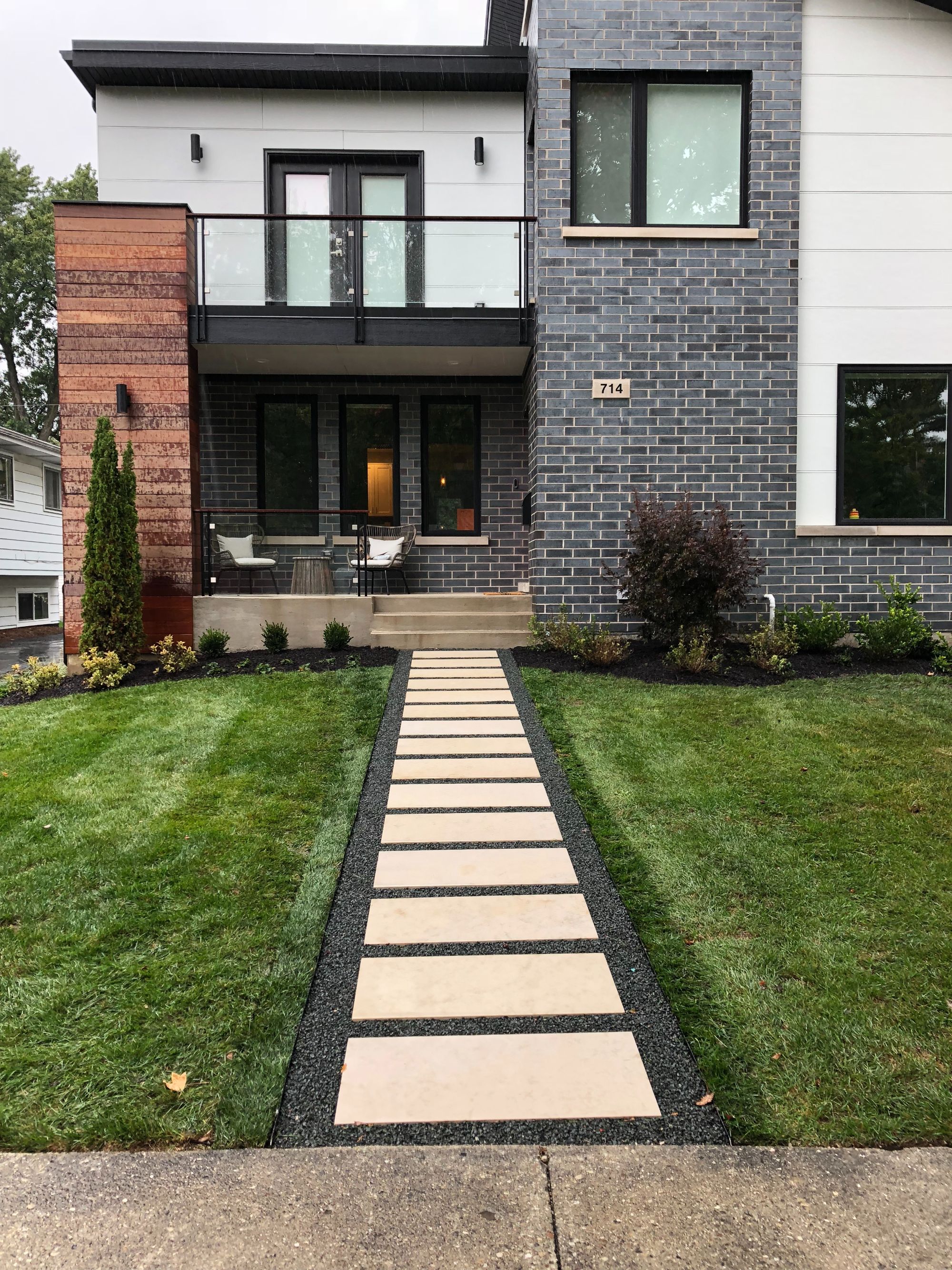
How Hardscape Design Works With Your Home's Architecture
One of the most important principles of hardscape design is that the materials and style should complement the architecture of the home. A traditional brick Colonial pairs naturally with classic brick pavers and formal geometric layouts. A modern farmhouse suits large-format concrete pavers, clean lines, and dark gravel accents. A craftsman bungalow might be best served by natural flagstone and organic, flowing bed edges.
This is one of the reasons working with an experienced Elmhurst landscaping company makes such a meaningful difference. A designer who understands both hardscape and softscape — and who knows the local architecture, soil conditions, and climate — will create a plan that feels native to the property rather than dropped in from somewhere else.
What to Expect From a Hardscape Project
Every hardscape project begins with a design consultation. A good contractor will walk your property, ask about how you use your outdoor spaces, understand your goals and budget, and then develop a design that addresses all of those factors. They'll recommend materials, explain the installation process, and give you a realistic timeline and cost estimate before any work begins.
Installation typically involves excavation, base preparation — which is critical for long-term performance — and then the hand-laying of the paver or stone material. A properly prepared base is what separates a hardscape installation that lasts decades from one that shifts, settles, and requires costly repairs within a few years. It's one of the most important reasons to hire a qualified hardscape contractor rather than attempting a complex installation as a DIY project.
Ready to Talk Hardscape for Your Elmhurst Home?
Whether you're dreaming of a new patio, a cleaner walkway, a retaining wall that finally solves your slope problem, or a complete outdoor living space, Ross & Jack's Landscaping has the design experience and installation expertise to make it happen. Reach out today to schedule a consultation and start planning your project.
Frequently Asked Questions
What is hardscape in landscaping?
Hardscape refers to the non-living, structural elements of a landscape design — including patios, walkways, retaining walls, steps, seat walls, edging, and decorative stone. It provides the framework and functionality of an outdoor space, while softscape (plants, grass, trees, and mulch) adds the living color and texture.
What is the difference between hardscape and softscape?
Hardscape includes all the permanent, non-living elements of a landscape: pavers, walls, walkways, and steps. Softscape includes all the living elements: plants, shrubs, trees, grass, and mulch. The best landscape designs integrate both — hardscape provides structure and function, while softscape brings life, color, and seasonal interest.
Is a paver patio considered hardscape?
Yes — a paver patio is one of the most common hardscape features in residential landscape design. It consists of manufactured or natural stone units hand-laid to create a durable outdoor surface, and it's one of the highest-value hardscape investments a homeowner can make in terms of both livability and property value.
What materials are used in hardscape design?
Common hardscape materials include concrete pavers, brick pavers, natural flagstone, bluestone, slate, gravel, pebble stone, river rock, poured concrete, and natural outcropping boulders. The right material depends on the style of the home, the intended use of the space, budget, and local climate considerations.
How long does hardscape last?
When properly installed with a well-prepared base, hardscape can last several decades with minimal maintenance. Concrete and brick pavers typically last 25 to 50 years or more. Natural stone can last even longer. The longevity of any hardscape installation is largely determined by the quality of the base preparation beneath it — which is why professional installation matters.
Does hardscape add value to a home?
Yes — well-designed hardscape consistently adds value to residential properties. A paver patio, retaining wall, or professional walkway installation increases usable outdoor living space, improves curb appeal, and signals to buyers that the property has been thoughtfully improved. It is generally considered one of the stronger returns among outdoor home improvement investments.
How much does hardscape design cost in Elmhurst, IL?
Hardscape costs vary widely depending on the scope of the project, the materials selected, and the complexity of the installation. A simple stepping stone walkway will cost considerably less than a large paver patio with seat walls and integrated planting beds. The best way to get an accurate number is to schedule a consultation with a local hardscape contractor who can evaluate your property and provide a detailed estimate.
Can hardscape help with drainage problems?
Yes — hardscape can be a powerful tool for managing drainage issues. Permeable pavers allow water to pass through the surface and into the ground below rather than running off. Gravel and pebble stone beds absorb and filter water. Retaining walls can redirect flow and prevent erosion on sloped properties. A hardscape designer with drainage experience can incorporate these solutions into a design that solves water problems while also improving the look of the property.
What is permeable hardscape?
Permeable hardscape refers to paving materials designed to allow water to pass through the surface rather than running off. Permeable pavers, gravel, and certain pebble stone installations all fall into this category. They are particularly valuable in areas prone to standing water, flooding, or erosion, and are increasingly popular as homeowners look for sustainable landscaping solutions.
Do I need a permit for hardscape in Elmhurst, IL?
Permit requirements depend on the type and scope of the project. Many at-grade paver installations do not require a permit, but larger projects — particularly those involving significant grading, retaining walls over a certain height, or drainage modifications — may. A reputable local hardscape contractor will be familiar with Elmhurst's requirements and can advise you on what applies to your specific project.
How do I choose a hardscape contractor in Elmhurst, IL?
Look for a contractor with a strong local portfolio of completed hardscape projects, positive reviews, and a design process that starts with understanding your goals rather than pushing a standard solution. A company that handles both hardscaping and landscaping under one roof is typically better positioned to deliver a result that integrates seamlessly with the rest of your property. Asking to see before and after photos of similar projects is always a good starting point.
What is the most low-maintenance hardscape option?
Concrete pavers and natural stone are among the lowest-maintenance hardscape materials available. Once properly installed, they require little more than occasional cleaning and the periodic replacement of joint sand. Gravel and pebble stone are also very low maintenance, though they may need topping off over time as material settles or displaces.
Can hardscape be added to an existing landscape?
Absolutely — hardscape can be added to an existing landscape at any time. In many cases, adding a patio, walkway, or retaining wall to an established yard involves working around existing plants and trees, which a good designer can do without disrupting the overall landscape. It's one of the most common types of projects Ross & Jack's Landscaping handles — homeowners who want to upgrade a specific area without starting over from scratch.